Foundation
Technique before style
Master how stems interact and how structure supports weight before worrying about aesthetics. Style emerges naturally once mechanics are solid.

Patrizia Montesanta
Odesa, Ukraine
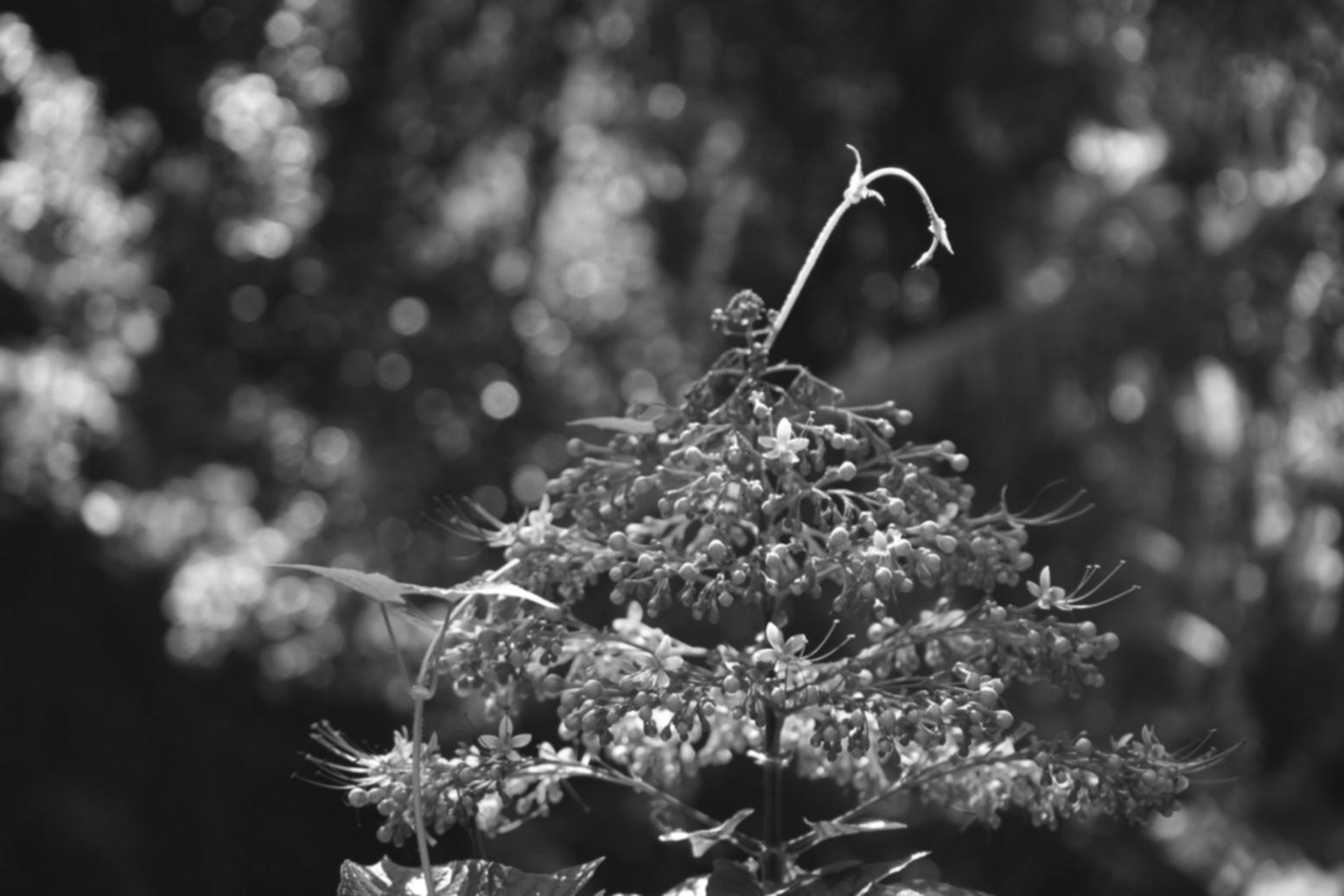
You want to create beautiful wedding bouquets. But most courses skip the fundamentals and assume you already know how flowers behave.
We start from the beginning — how stems move, how textures balance, why certain combinations work and others don't.
Floral design shouldn't feel like guesswork.
I spent years watching students struggle with the same issues. They'd follow instructions perfectly but their bouquets still looked unbalanced. The problem wasn't effort or talent — it was that no one had explained the underlying structure.
So I started breaking down each decision. Why this angle matters. How weight distribution changes when you add a single stem. The small adjustments that make a bouquet feel cohesive instead of chaotic.
This platform grew from those explanations. Each lesson focuses on one specific skill you can practice immediately. No vague artistic concepts — just clear steps that build on each other until you can design confidently without second-guessing every choice.
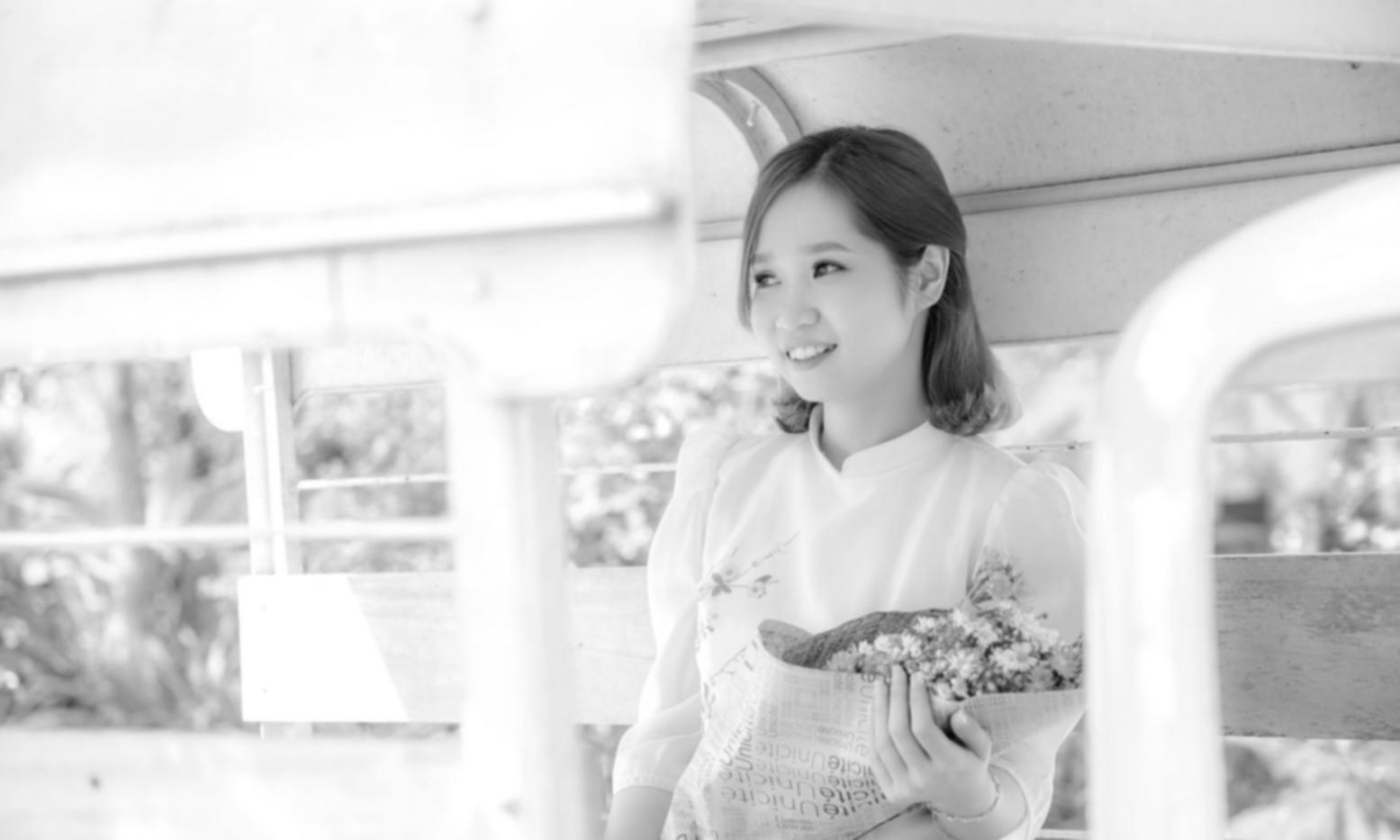
Four principles shape every lesson we create. They help you move from copying examples to making intentional design choices.

Master how stems interact and how structure supports weight before worrying about aesthetics. Style emerges naturally once mechanics are solid.
Each exercise focuses on one skill but changes the context. You learn to adapt rather than memorize fixed patterns that only work in specific situations.
We point out exactly what needs adjustment and why. Generic praise doesn't help you improve — targeted observations about balance and proportion do.
Start with three-stem arrangements before attempting cascading designs. Each new lesson assumes you've practiced the previous one enough to apply it without thinking.